

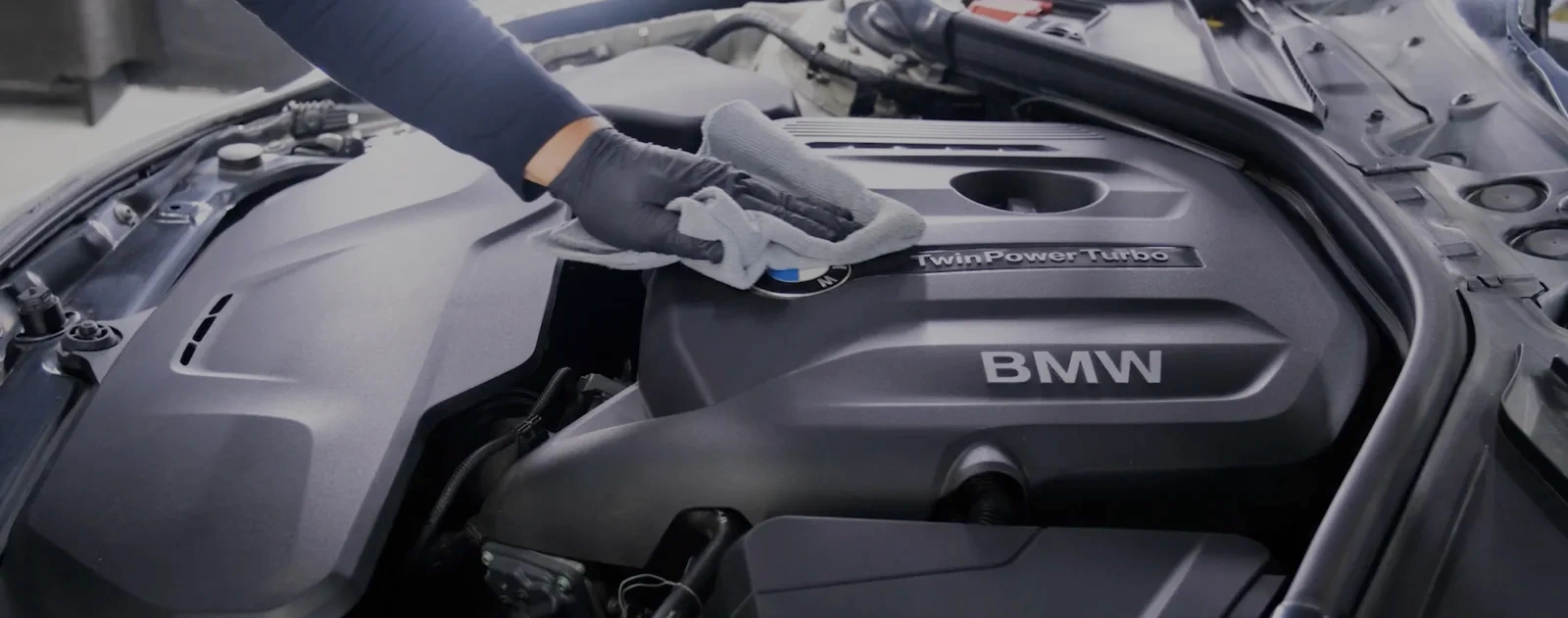
Proper car engine maintenance is essential if you want your vehicle to last for years without costly breakdowns. Regular maintenance is crucial for keeping your car running efficiently and reliably. The engine is the heart of your car, and correct care can save you thousands of euros in repairs. Whether you drive a diesel, petrol, or hybrid vehicle, simple mistakes like delayed oil changes or engine overheating can lead to catastrophic damage. Following your vehicle manufacturer’s recommended maintenance schedule is key to maximizing your vehicle lifespan and preventing expensive issues. In this article, we share practical, proven car engine maintenance rules and explain why professionally rebuilt engines are an excellent and often smarter alternative to brand-new ones. Planning to buy a new or rebuilt engine? Check out our current offers on the website!
Regular Car Engine Maintenance – The Key to Engine Longevity
- Oil Changes: Change engine oil every 10,000–15,000 km (or according to the manufacturer’s Longlife interval, but never exceed it). Always use the exact specification recommended by the manufacturer (e.g., 5W-30, 0W-20, etc.). Wrong or old oil destroys bearings, pistons, and turbochargers in record time. Neglecting oil changes can lead to sludge build up, which can severely damage your engine. Always consult your owner’s manual for manufacturer-recommended oil change intervals. For more information on high-quality engine oils and vehicle lubrication products, see the official Liqui Moly motor oils and lubricants guide.
- Cooling System: Regularly check coolant levels and condition. Maintaining coolant levels regularly is essential to prevent engine overheating and ensure optimal cooling system performance. Overheating is one of the main causes of cracked cylinder heads and warped blocks – a repair that often costs more than the car itself.
- Timing Belts/Chains and Accessory Belts: Replace them strictly according to the service schedule. A snapped timing belt or chain on an interference engine almost always means a completely destroyed engine.
- Transmission Fluid: Check transmission fluid levels, especially in older vehicles, to prevent transmission problems and maintain overall vehicle performance.
To keep your engine running smoothly and extend its lifespan, follow preventative maintenance actions such as regular fluid checks, cleaning, and system inspections.
For complex maintenance tasks, always consider professional services to ensure your vehicle receives expert care.
Engine Components
Your car engine is a complex system made up of many critical components, each playing a vital role in keeping your vehicle running smoothly and efficiently. Regular engine maintenance is essential to ensure these parts work together seamlessly and to avoid expensive repairs down the road.
One of the most important engine components is the air filter. A clean air filter allows fresh air to flow into the engine, supporting proper fuel combustion and helping to maintain optimal fuel efficiency. When the air filter becomes dirty or clogged, it restricts air flow, leading to decreased fuel efficiency, poor acceleration, and even engine misfires. Car owners should make it a habit to replace air filters as part of their routine maintenance to keep the engine’s performance at its best.
The cooling system is another vital component that regulates engine temperature and prevents overheating. Regularly checking coolant levels and inspecting for coolant leaks can help you avoid serious engine problems and costly repairs. Maintaining the cooling system ensures that your engine’s temperature stays within the safe range, protecting essential components from wear and tear.
Spark plugs are small but essential parts that ignite the air-fuel mixture in the combustion chamber. Worn or faulty spark plugs can cause rough idling, engine misfires, and decreased fuel efficiency. Checking and replacing spark plugs at recommended intervals—usually every 30,000 miles—will help your engine run smoothly and maintain its power.
The fuel system, including fuel injectors and fuel lines, is responsible for delivering the right amount of fuel to the engine for proper combustion. Over time, fuel injectors can become dirty or clogged, resulting in poor acceleration, decreased fuel efficiency, and even engine misfires. Regular maintenance, such as cleaning or replacing fuel injectors, helps keep your fuel system functioning properly and your car’s performance at its peak.
Other critical components, like the timing belt, oil filter, and fuel pump, also require attention as your car ages. Routine maintenance—such as regular oil changes, checking oil pressure, and monitoring tire pressure—can help prevent unexpected breakdowns and extend your vehicle’s lifespan. For older cars, engine maintenance becomes even more important, as wear and tear can cause components to fail more easily. An experienced team of professionals can help identify potential issues early, address unusual noises, and ensure all engine parts are functioning as they should.
By following these engine maintenance tips and keeping up with your maintenance schedule, you can help prevent expensive repairs, improve fuel efficiency, and keep your vehicle running safely for years to come. Regular checks of your engine’s critical components are the best way to ensure optimal performance and avoid the hassle of unexpected car repair bills.
Most Common Driving Mistakes That Kill Car Engines
- Aggressive Driving on a Cold Engine: Give the engine at least 1–2 minutes to warm up (especially in winter) so oil can reach all parts. The recommended warm-up time may vary depending on the car’s age—older vehicles often require more time to reach optimal operating temperature, while modern cars may need less. Immediate full throttle destroys bearings and turbochargers.
- Poor Quality Fuel: Especially dangerous for diesel engines – low-quality diesel with high sulfur or biodiesel content quickly clogs injectors and damages the high-pressure pump (repair cost often €2,000–€5,000).
- Ignoring Unusual Noises: Any knocking, rattling, or metallic sounds are a serious warning. Continuing to drive usually turns a €300–€800 repair into a €4,000+ engine replacement.
Rebuilt Engines vs. Brand New – Which to Choose?
- Advantages of Professionally Rebuilt Engines: Up to 70% cheaper than a new original engine – Environmentally friendly (less mining and manufacturing) – Every part is inspected, measured, and replaced if necessary – Full test run on an engine dyno + warranty (we offer 12–24 months) – In most cases, performs and lasts exactly like a new one – Restores the engine’s power and improves both the engine’s performance and the car’s performance to like-new levels
- When to Choose a Brand-New Engine? Only if the car is nearly new, under factory warranty, or you specifically want original manufacturer packaging. In 95% of cases (especially vehicles over 5–7 years old), a high-quality rebuilt engine is the smarter and more economical choice.
Car Engine Maintenance Conclusion and Replacement Options
By following these simple car engine maintenance rules, you help keep your vehicle’s engine in top condition and ensure the engine running smoothly. Your engine will easily last 100,000–200,000+ km without major problems. Following these tips will help ensure your vehicle runs smoothly for years to come. If you’re already facing engine issues or planning a replacement, we offer both brand-new and professionally rebuilt engines at the best prices in the market – all tested and with a warranty. Contact us for a free consultation and current offers. More practical car maintenance articles coming soon!