

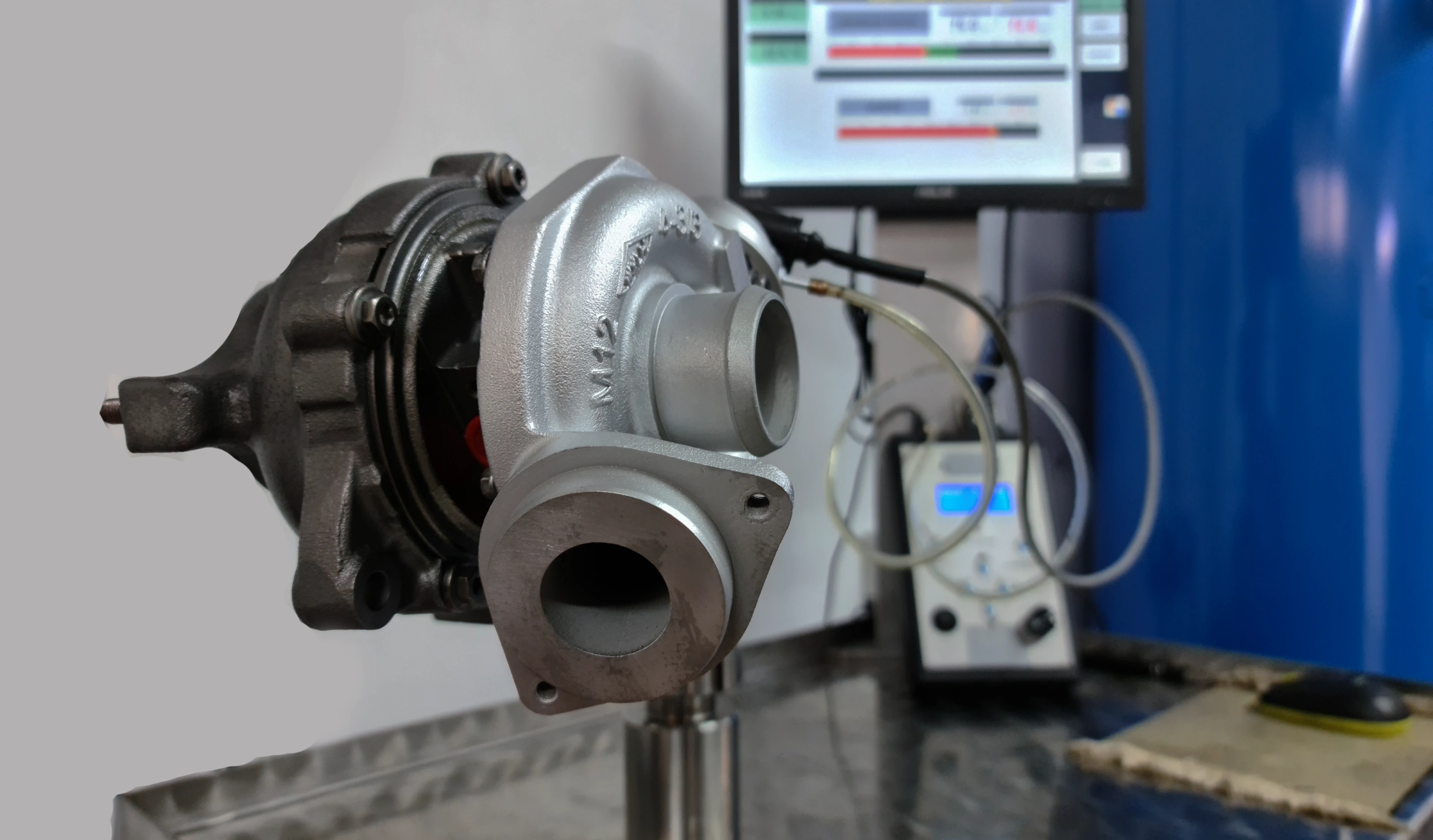
In this article, we will show you how to Identify and Fix Turbocharger Failures in your vehicle. Have you noticed your car losing power, with black smoke coming from the exhaust? These could be clear signs of a turbocharger failure. The turbocharger is one of the most important components in modern engines, especially in diesel and turbocharged petrol vehicles, as it provides extra power and efficiency. If you don’t catch the problem early, repairs can become very expensive. We also explain the most common turbo failure symptoms, how to diagnose them at home, and why professional rebuilding is often the smartest choice.
Most Common Turbocharger Failure Symptoms – Identify and Fix Turbocharger Failures
- Loss of Power: Your car accelerates much slower than usual, especially when going uphill or overtaking. This is often caused by worn turbine/compressor wheels, damaged bearings, or a stuck wastegate/variable geometry mechanism.
- Unusual Noises: A high-pitched whining, whistling, siren-like sound, or grinding/metal scraping noise from under the hood usually points to failing bearings, shaft play, or damaged internals. The noise often gets louder with RPM.
- Increased Fuel Consumption: When the turbo isn’t working efficiently, the engine has to work harder, burning more fuel to produce the same power.
Exhaust Smoke:
- Black smoke – too much fuel (rich mixture), often from insufficient boost/air supply.
- Blue or gray smoke – oil leaking into the combustion chamber or exhaust (common with worn turbo seals).
- White smoke – sometimes coolant entering (less common with turbo issues).
How to Diagnose Turbo Problems at Home – Identify and Fix Turbocharger Failures
- Check the Air Filter: A dirty or clogged air filter is one of the most frequent causes of turbo-related issues. Replace it if it’s dirty – this simple step can restore performance.
- Listen to the Engine: Use a mechanic’s stethoscope (or just your ear) near the turbo area while the engine is running. Any unusual whining, grinding, or excessive whooshing can indicate problems.
- Read Error Codes: Use an OBD-II scanner (cheap ones are available online or at auto parts stores). The most common turbo-related code is P0299 (Turbo/Supercharger Underboost Condition), but you might also see P0234 (Overboost), P2563, or actuator-related codes. These help confirm the issue.
Bonus DIY Checks:
- Inspect boost hoses and intercooler connections for leaks, cracks, or loose clamps (boost leaks are very common).
- Check for excessive shaft play: With the engine off, gently wiggle the compressor wheel (through the intake pipe) – a little in-and-out play is normal, but side-to-side play means worn bearings.
If you’re not sure or the problem seems serious, contact specialists – we offer free diagnostics!
Repair Options
- Professional Rebuilding: The best choice in most cases. We rebuild turbos using high-quality (often original) components, balance and test them on a professional bench, and provide a warranty. Cost savings: up to 50–70% cheaper than a brand-new turbo, plus it’s more eco-friendly (reusing housings and major parts).
- New Turbocharger: Ideal if your budget allows and you want factory-fresh performance with the longest possible warranty. However, for most vehicles (especially older or high-mileage ones), a properly rebuilt turbo performs just as well and lasts almost as long.
Conclusion
Don’t wait until a failing turbo leaves you stranded – regular maintenance (clean oil changes, good air filters, avoiding hard driving on a cold engine) can extend turbo life to 150,000–250,000+ km. If you spot any of these symptoms, act quickly. Need help? Order a rebuilt turbo from our website or contact us for a consultation – we’re here to help! Follow our blog for more practical car maintenance tips.