

How to Recognize and Avoid Expensive VW CFC & CFCA Engine Repairs
In this blog, we’ll discuss VW CFC & CFCA engine EGR problems and how to prevent them.
If you drive a VW Transporter T5, T5.1, or early T6 with the 2.0 TDI CFC or CFCA engine (180 HP BiTDI), you’ve probably heard about one of the biggest headaches for these diesel engines – the EGR cooler failure. This issue is often called a “ticking time bomb” because corrosion in the EGR cooler causes aluminum particles to break off and enter the cylinders, acting like sandpaper – damaging pistons, rings, cylinder walls, and eventually the turbos and the entire engine.
Many owners end up replacing the engine after 150,000–250,000 km (or even earlier), with repair costs running into thousands of euros. In this article, we’ll explain why the 2.0 TDI VW CFC & CFCA Engine EGR problems are so common, what the symptoms are, how to diagnose it, and what steps you can take to prevent disaster. If you’re already looking for a rebuilt 2.0 TDI engine or turbo – check out our catalog!
Which Vehicles Use the CFC and CFCA 2.0 TDI Engine?
These engines are commonly found in:
- VW Transporter T5 2.0 BiTDI 180 HP
- VW Transporter T5.1 BiTDI
- Early VW T6 BiTDI models
The Main Problem: EGR Cooler Corrosion
The EGR system (Exhaust Gas Recirculation) is designed to reduce NOx emissions, but in 2.0 TDI CFC and CFCA engines, the EGR cooler (most commonly part numbers 03L115512A/B/C) is made from a problematic aluminum alloy. Over time, the internal cooling fins corrode, crumble, and release aluminum oxide particles (abrasive like sand) through the EGR valve into the intake manifold, then straight into the combustion chambers and oil system.
The result?
- Cylinder walls get scored as if sanded.
- Dramatic increase in oil consumption.
- Oil pressure drops → turbo failure.
- Ultimately – complete engine seizure.
This issue is particularly common in VW Transporter T5 BiTDI 180 HP models with CFC / CFCA codes. Later versions with the D suffix (03L115512D) are significantly improved and more resistant to corrosion, but many vans still run the older problematic units.
Most Common 2.0 TDI VW CFC & CFCA Engine EGR Problems Symptoms
Catch it early to save money:
- Sudden sharp increase in oil consumption (e.g., 1 liter per 1,000–2,000 km or more).
- Oil pressure warning light comes on or pressure drops.
- Loss of power, limp mode (safe mode), check engine light.
- Frequent fault codes: P0401 (EGR flow insufficient), P0299 (underboost), P2563, etc.
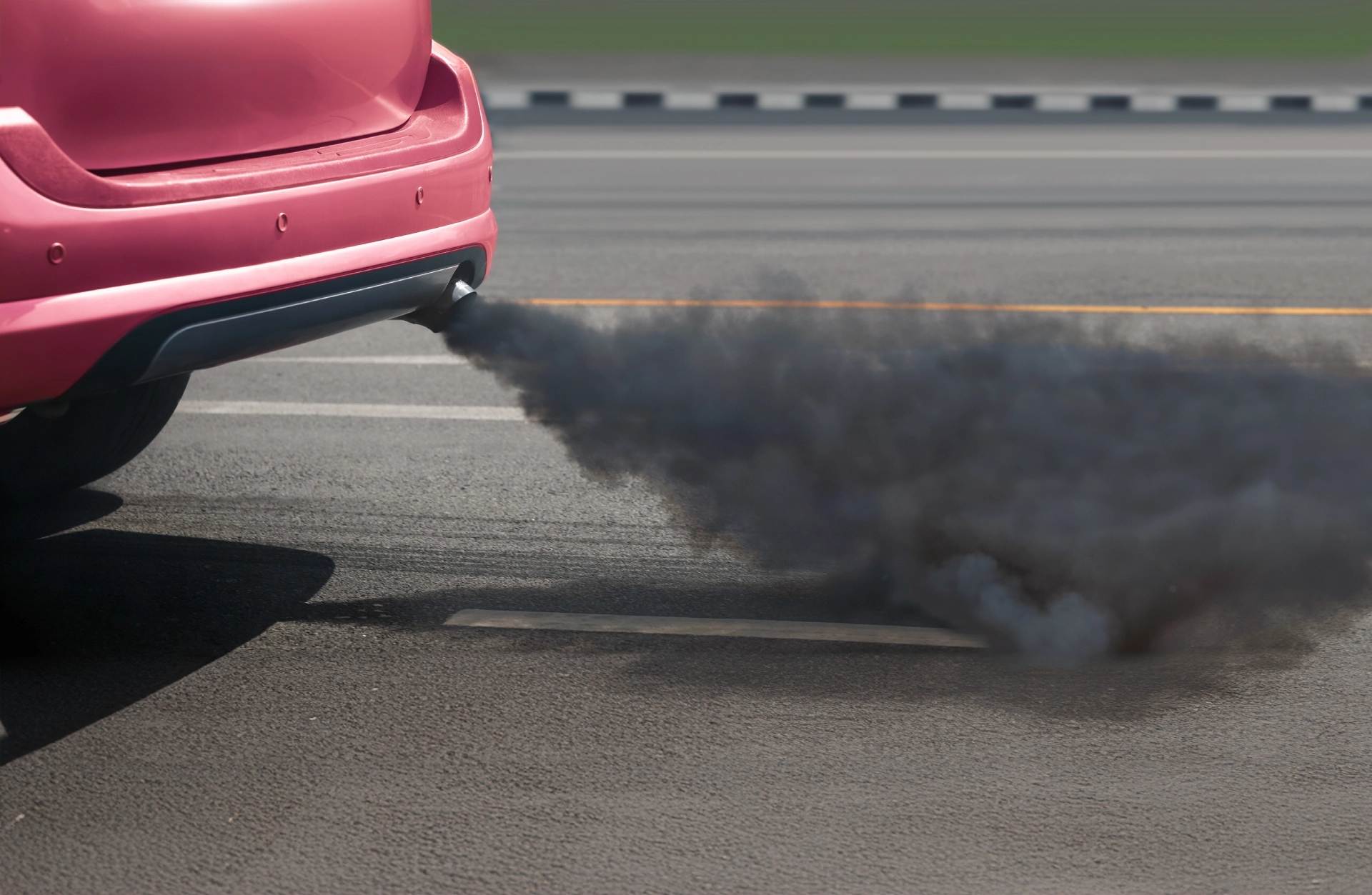
- Black / gray smoke from the exhaust.
- Overheating or coolant level dropping (if the cooler cracks).
- Unusual noises from the turbo (blockage or damage).
- In the worst case – the engine suddenly seizes while driving.
If you notice even a couple of these symptoms – don’t delay!
Diagnosing EGR Problems in VW CFC & CFCA Engines
- Check oil level frequently – rapid drop without visible leaks is a red flag.
- Perform an oil analysis (in a lab) – high aluminum particle content means the EGR cooler is already breaking down.
- Read fault codes with an OBD-II scanner.
- Remove and inspect the EGR cooler – if the fins are white/powdery or crumbling, replace it immediately.
- Check the EGR valve – it often gets clogged with soot, but the cooler is the main culprit.
What to Do to Prevent the Problem?
- If your EGR cooler has an A/B/C suffix – replace it preventively with the D version (cost ~€400–800 + labor).
- Use high-quality oil and fuel, and change oil more frequently than the 20,000 km interval.
- Avoid short trips – they accelerate EGR clogging and corrosion.
If the engine is already damaged – it’s often cheaper and more reliable to buy a rebuilt 2.0 TDI CFC / CFCA engine with a verified EGR cooler and warranty, rather than repairing the original.
Conclusion
2.0 TDI CFC and CFCA engines are powerful and fuel-efficient, but the EGR failture (especially EGR cooler corrosion) can destroy them in months if ignored. Prevention costs a few hundred euros; neglect costs thousands.
If your VW Transporter T5 or another model with 2.0 TDI BiTDI is showing symptoms – contact us! We offer rebuilt engines, turbos, and EGR solutions with warranty. Free consultation by phone or on the website – we’ll help you avoid costly mistakes.
Follow our blog for more tips on 2.0 TDI engines, turbo repairs, and restorations!